
Decoding: The global rollback of LGBTIQ+ rights, a setback that the UN cannot ignore.

The UN's Warning: A Setback After Decades of Progress
In a global context marked by geopolitical and social upheavals, the UN Secretary-General, António Guterres, has warned of a worrying trend. After years of legal and social progress in favor of LGBTQ+ rights, several regions of the world are experiencing a major setback. Dozens of countries continue to criminalize same-sex relations, and some even impose the death penalty. This situation raises questions for the international community about the viability of the humanitarian commitments made in recent decades.
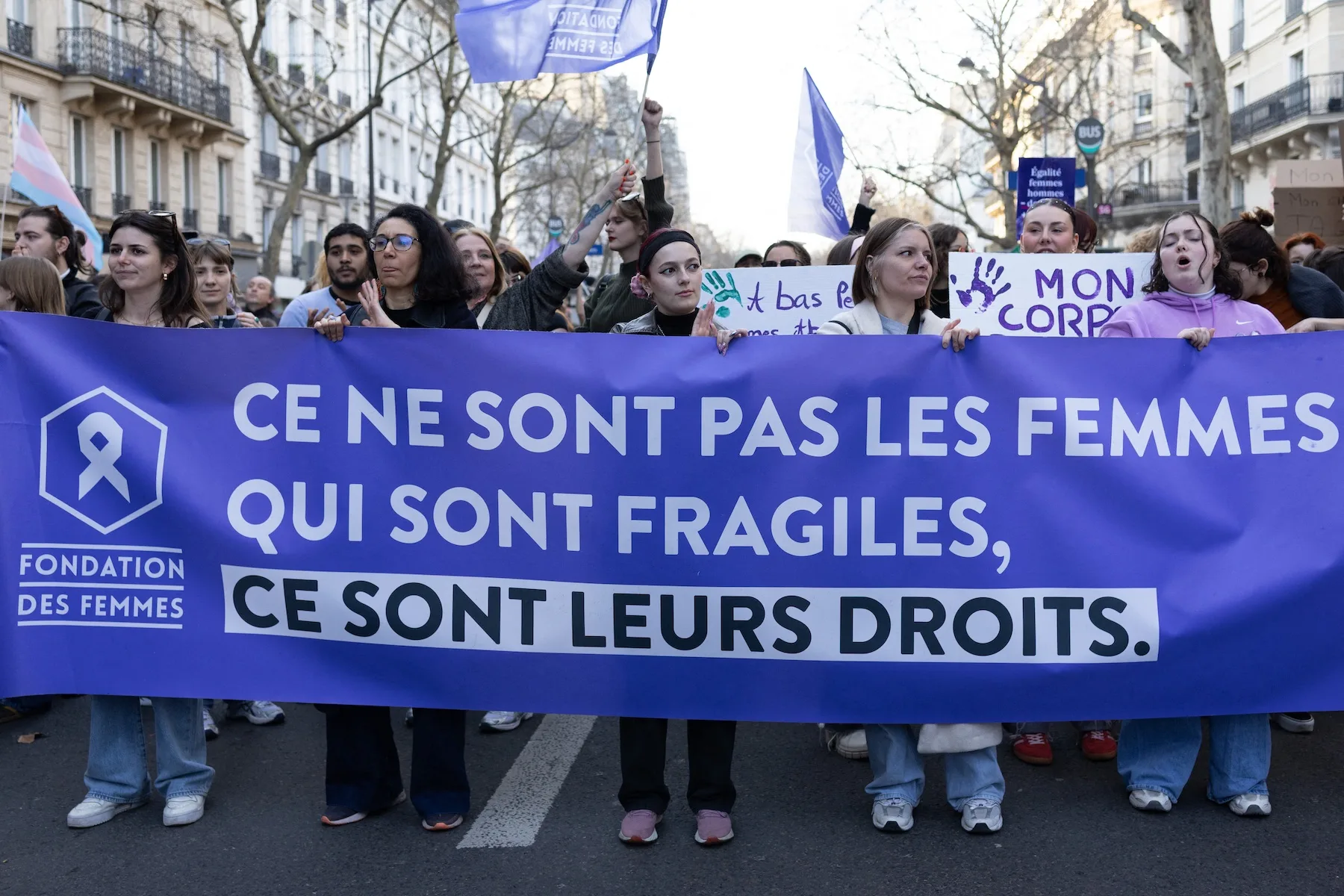
The Root Causes of Legal and Social Regression
This regression is not a matter of chance. It is explained by a combination of interconnected factors. On the one hand, the rise of populist and nationalist rhetoric often exploits issues of gender and sexual orientation to divide public opinion. On the other hand, religious or traditional pressures in some states lead to stricter legislation. Paradoxically, the more rights are democratized, the more some segments of society react with rigidity, creating a cycle of institutional repression that directly affects individual freedom.
The Role of Social Networks and Disinformation
Digital platforms sometimes amplify these tensions. Targeted hate campaigns and conspiracy theories circulate rapidly, influencing public policy in countries where freedom of the press is already limited. This institutionalized disinformation contributes to normalizing stigmatization and justifies, a posteriori, the discriminatory measures adopted locally.
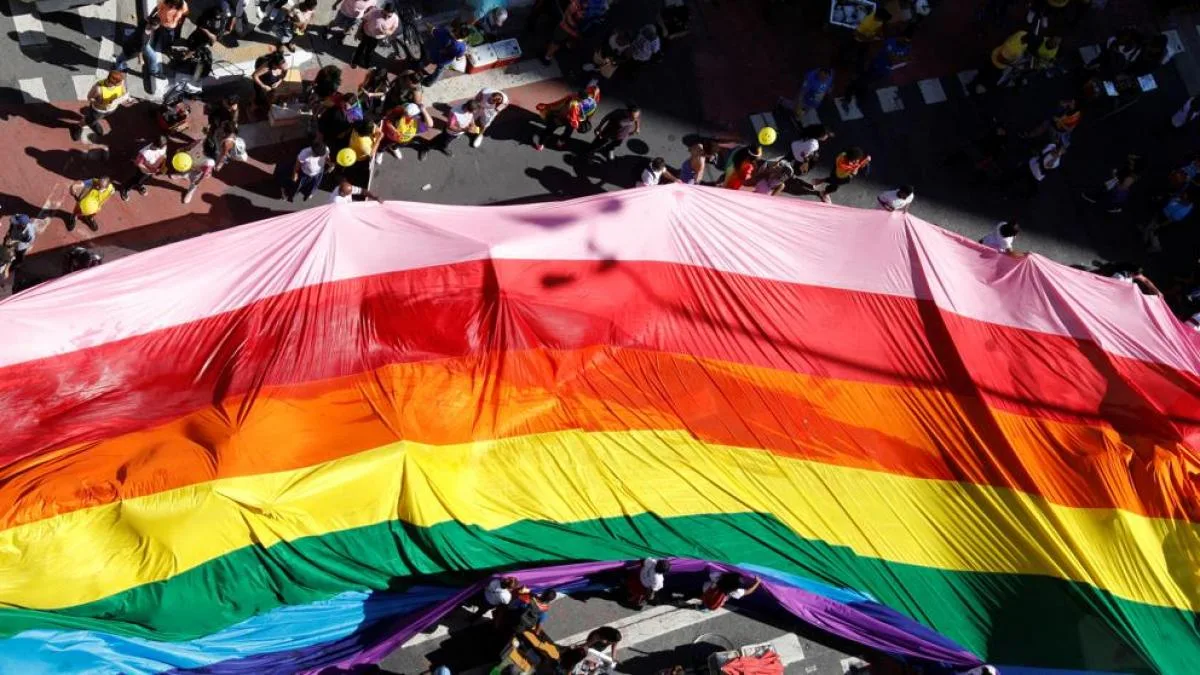
The Real Impact on the Daily Lives of LGBTQ+ People
Behind the statistics and UN resolutions, entire lives are being called into question. Criminalization or legal marginalization leads to increased precarity: restricted access to health care, risks of police or community violence, difficulties in finding stable employment, and family isolation. In countries where the death penalty remains applicable, the risk is ultimate. Even where the legislation seems protective, the enforcement of laws varies considerably depending on the region, leaving vulnerable communities in a state of permanent legal insecurity.
The protection of fundamental rights cannot be limited to words on paper. It requires constant political will and ongoing social mobilization.
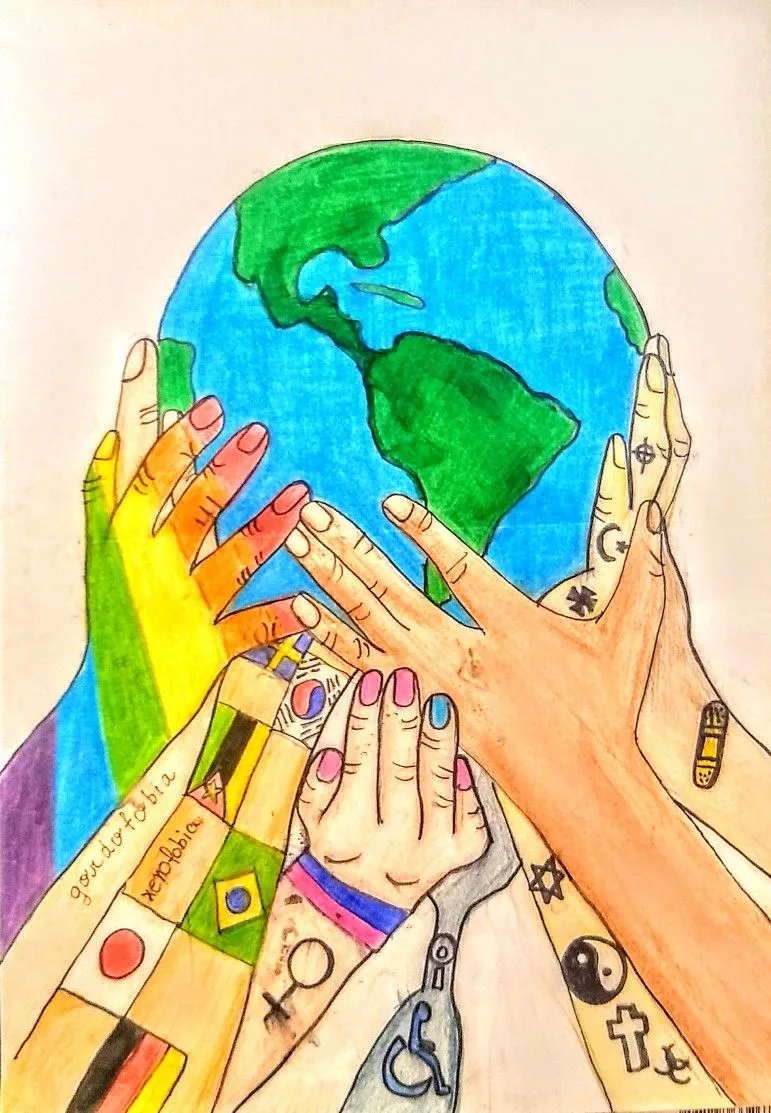
Strategies for Resilience and Collective Action
Faced with this situation, resistance is taking innovative forms. Local organizations rely on international law, direct testimonies, and alliances with progressive sectors to put pressure on governments. Here are some concrete avenues for action:
- Provide financial and logistical support to local associations that offer legal assistance and support.
- Conduct awareness campaigns based on evidence to counter disinformation.
- Require multinational corporations to uniformly apply their HR charters, including in subsidiaries operating in repressive contexts.
- Encourage parliamentarians and local elected officials to adopt resolutions of international solidarity.
Towards a New International Framework for LGBTQ+ Rights?
The UN can no longer be content with annual reports. The international community is calling for a strengthening of protection mechanisms, including targeted sanctions against the most repressive regimes and increased support for LGBTQ+ refugees. Human rights diplomacy must become multilateral and cross-cutting, integrating these issues into trade agreements, development assistance, and cultural cooperation. Only a global and structured mobilization can reverse the trend and transform this warning into a driver of lasting change.
Never forget to play in complete safety!
Be Geek, Be Kinky!
You may also like
Disability and Sexuality: Breaking Down Taboos for Guaranteed Intimate Fulfillment
Summer infidelity: should you confess everything or protect your relationship by remaining silent?
Is my partner really my soulmate? What science reveals about relationship doubts.
Uniform Fetish: What Your Attraction to Firefighters or Police Officers Reveals About Your Intimate Life
Couple's vacations: when the quest for the perfect photo puts stress in the spotlight.