
Female sexual dysfunction: Unknown causes, innovative solutions, and how to talk about it without taboo.
Female Sexual Dysfunction: Unknown Causes, Innovative Solutions, and How to Talk About It Openly
In May 2026, nearly 30% of women of childbearing age report suffering from sexual dysfunction, according to the latest studies by the World Health Organization (WHO). However, this topic remains shrouded in silence, due to fear of judgment or lack of awareness. Whether you are directly affected or wish to better understand in order to help a loved one, this article explores the underlying—often underestimated—causes, concrete solutions, and, most importantly, how to approach this topic with serenity.
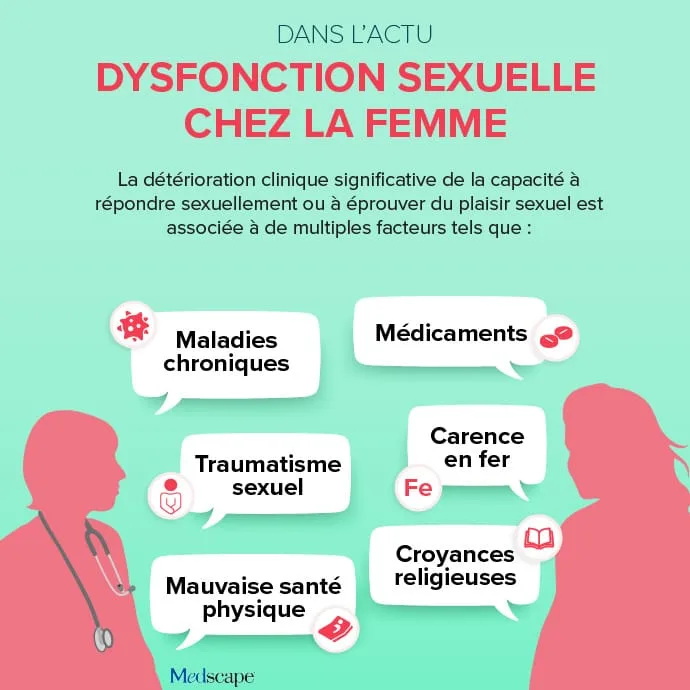
1. The 4 Types of Female Sexual Dysfunction: How to Recognize Them?
Female sexual dysfunction is not limited to a lack of desire. It manifests in four distinct forms, sometimes combined:
- Hypoactive Sexual Desire Disorder (HSDD): Reduced or absent sexual thoughts or fantasies, avoidance of intercourse.
- Sexual Arousal Disorder: Difficulty achieving or maintaining sufficient arousal for satisfying intercourse.
- Orgasmic Disorder: Delayed, absent, or diminished intensity of orgasms.
- Painful Intercourse (Dyspareunia): Pain during intercourse, which may be physical or psychological.
Did you know that 60% of women suffering from pain during intercourse are unaware that it may be related to a hormonal imbalance or a chronic condition such as multiple sclerosis?
2. Physical Causes: When the Body Works Against Libido
Physical factors are often minimized, yet they account for 40% of cases of female sexual dysfunction. Here are the most common, and those that doctors diagnose the least:
2.1. Chronic Diseases and Their Unexpected Impacts
- Diabetes: Poorly controlled blood sugar damages the nerves and blood vessels in the pelvis, reducing sensitivity and arousal. 3 out of 5 diabetic women suffer from arousal disorder without knowing it.
- Cardiovascular Diseases: Atherosclerosis limits blood flow to the genital organs, causing vaginal dryness and loss of desire.
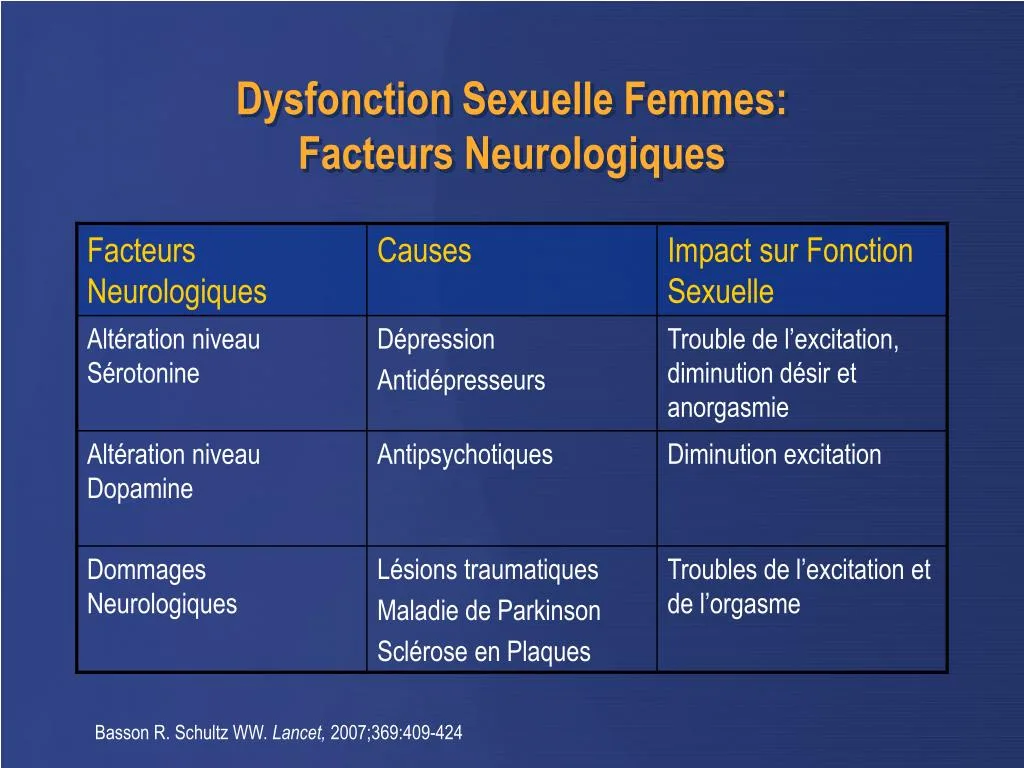
- Multiple Sclerosis and Parkinson's Disease: These neurological diseases alter the nerve signals related to pleasure, potentially leading to anorgasmia or pain during intercourse.
2.2. Hormonal Imbalances: Beyond Menopause
Hormones are not just an issue after age 50. An imbalance in testosterone, estrogen, or prolactin can occur at any age, especially after childbirth, while taking hormonal contraception, or in cases of polycystic ovary syndrome (PCOS).
Example: 1 in 10 women on birth control pills report a decrease in libido, often incorrectly attributed to "stress" rather than a hormonal side effect.
3. Psychological and Environmental Factors: The Invisible Stress
Chronic stress, sexual trauma, or even excessive exposure to social media (body comparison, pressure from standards) play a major role. Here are some less obvious causes:
- Adrenaline-Dependent Fatigue: High cortisol (linked to stress or lack of sleep) inhibits dopamine, the pleasure hormone.
- Unresolved Trauma: 25% of women who have experienced sexual assault avoid intercourse out of fear of pain or reliving the experience.
- Impact of Screens: A 2025 study shows that women who spend more than 5 hours a day on social media are 40% more likely to suffer from a desire disorder, linked to overstimulation and bodily disconnection.

4. Solutions: From Conventional Medicine to Gentle Approaches
Addressing sexual dysfunction requires a personalized approach. Here are the validated options in 2026:
4.1. Medical Treatments and Innovations
- Hormone Therapy: For women in pre-menopause, testosterone supplementation (in the form of gel or patch) can restore desire in 70% of cases.
- Phosphodiesterase Inhibitors (such as female sildenafil): Approved in 2024, these medications improve arousal by promoting vasodilation.
- Treatment of Underlying Diseases: Better control of diabetes or thyroid problems can restore normal libido in 3 to 6 months.
4.2. Non-Medical Approaches
- Acupuncture: A Chinese study in 2025 shows a 60% improvement in orgasmic disorders after 12 sessions.
- Phytotherapy: Andean maca and ashwagandha boost natural testosterone (effects visible in 8 weeks).
- Sensory Therapy: Exercises in bodily reconnection (such as "touch mapping") help to overcome psychological blocks.
5. How to Talk to Your Partner? 5 Phrases to Break the Ice
Discussing your sexuality with your partner can seem intimidating, but using appropriate words defuses misunderstandings. Here are some phrases tested by sexologists:
- "I've been feeling a little different lately, and I'd like to talk about it without judgment." (Neutral approach)
- "It's not you, it's me—and it's temporary. Can we find solutions together?" (Reassurance)
- "I'd like us to explore other ways of touching each other, without pressure." (Openness to non-genital intimacy)
- "Have you noticed any changes in your libido too? Sometimes it's related to things we can't control." (Creating a dialogue)
- "I'm going to see a sexologist; it might help us better understand things." (Showing commitment)
Tip: Choose a quiet time, without distractions (not during sex or an argument). A supportive environment increases the chances of a constructive discussion.
6. When to Consult? The Signs That Should Raise an Alert
Consult a professional if:
- The dysfunction lasts more than 6 months without improvement.
- It is accompanied by physical pain (burning, bleeding).
- You feel a major impact on your quality of life (avoiding relationships, anxiety).
- You have medical history (diabetes, neurological diseases).
Specialists to contact: gynecologists, endocrinologists, sexologists, or general practitioners trained in sexual disorders.
7. Testimonials: Their Journeys, Their Solutions
7.1. Claire, 34: "I thought it was normal... until I discovered my PCOS."
Claire had suffered from almost non-existent desire since she was 25. After years of blaming herself, a hormone test revealed an imbalance in prolactin related to her PCOS. A combined treatment (metformin + cognitive-behavioral therapy) restored her sexual life in 10 months.
7.2. Sophie, 52: "Menopause is not a fatality."
Sophie had avoided talking about it for years due to shame. Her doctor suggested local estrogen treatment (ovules) and acupuncture sessions. Result: 80% reduction in vaginal dryness and a return of pleasure after 2 years of abstinence.
8. Conclusion: Towards a Fulfilled Female Sexuality
Female sexual dysfunction is neither a fatality nor a weakness. By identifying the causes (physical, psychological, or relational) and daring to talk about it, solutions exist to regain pleasure. Here are your next steps:
- Have a complete medical check-up (hormones, chronic diseases).
- Keep an intimate journal to identify triggers (stress, fatigue, medications).
- Explore gentle therapies (acupuncture, sophrology) as a complement.
- Break the taboo with your partner or a professional.
Useful resources:
- Anonymous sexual helpline: 0800 123 456 (France)
- Book: "Free Your Desire" by Dr. Alice Desbiolles (2025)
- App: Clue Health to track your cycle and your body's signals.
Your sexuality deserves to be heard. And you, what is the first step you will take today?
Never forget to play safely!
Be Geek, Be Kinky!
You may also like

Disability and Sexuality: Breaking Down Taboos for Guaranteed Intimate Fulfillment
Summer infidelity: should you confess everything or protect your relationship by remaining silent?
Is my partner really my soulmate? What science reveals about relationship doubts.
Uniform Fetish: What Your Attraction to Firefighters or Police Officers Reveals About Your Intimate Life
Couple's vacations: when the quest for the perfect photo puts stress in the spotlight.