
Viral erosion or simply fake news? An analysis of an internet phenomenon.

Erosia: When a Simple Rumor Becomes a Digital Virus
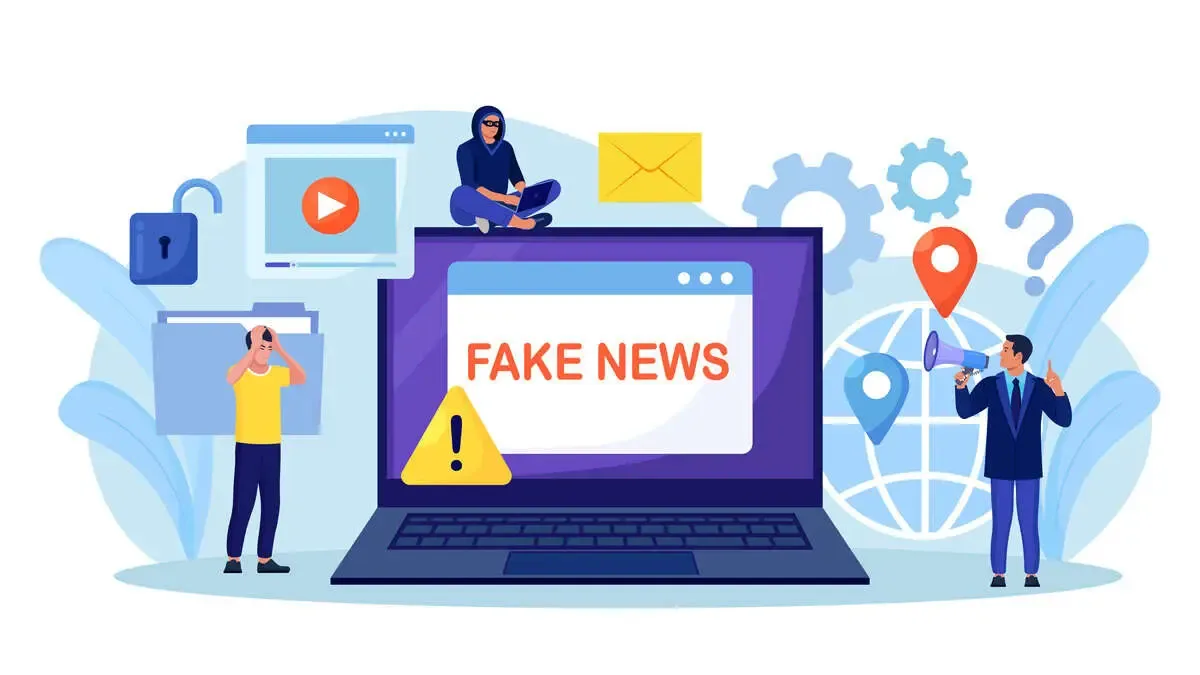
For the past few weeks, a term has been circulating widely on social media platforms: Erosia. Presented as a pathogen capable of dramatically increasing sexual desire, this term has quickly generated millions of shares, viral videos, and heated debates. However, it must be acknowledged that behind this controversy lies less a medical discovery and more a perfect example of contemporary rumor.
> It's not science that spreads, but emotion. Erosia perfectly illustrates how a concept can be reinvented by algorithms before reaching the public.
What Science Really Says About Pathogens of Desire
Experts in biology and public health recognize no condition under the name of Erosia. The virus does not exist in international medical classifications. While certain chemical compounds can influence libido, no known infectious agent possesses this spectacular property. Social networks often confuse placebo effects, disguised advertising, and urban legends.
- No peer-reviewed scientific publication mentions Erosia.
- The described symptoms remain vague and subjective.
- Current medicine clearly distinguishes endocrine disorders from infectious diseases.
The Mechanism Behind the Health Myth
History is full of similar legends. What resonates today is the combination of an intimate subject, an irresistible promise, and technical virality. Platforms favor content with high emotional impact, which accelerates the spread of misinformation much faster than verification.
Why Does This Type of Fake News Work So Well?
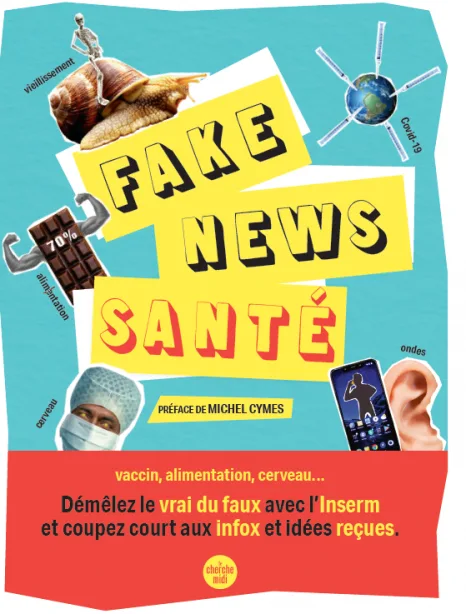
The psychology of online crowds largely explains the success of Erosia. Two main mechanisms come into play: confirmation bias and fear of missing out. Users often share without verifying because the subject relates to desire and performance. Furthermore, recommendation algorithms create bubbles where these narratives reinforce each other, giving an illusion of credibility.
The Impact on Digital Health
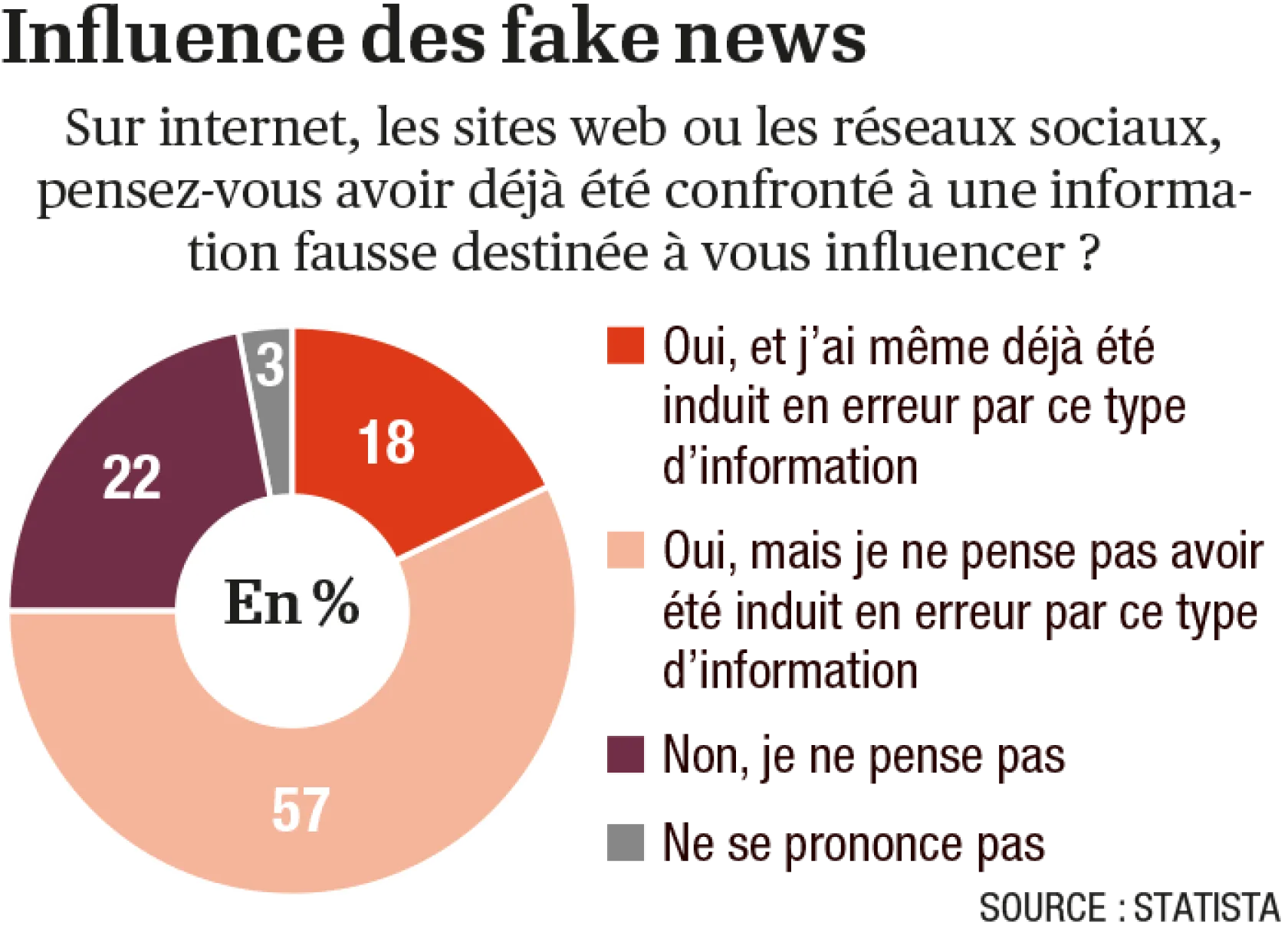
This phenomenon goes beyond simple digital amusement. Health misinformation can lead to self-medication, generate anxiety, or divert attention from real public health issues. Becoming aware of these mechanisms is the first step towards more responsible information consumption.
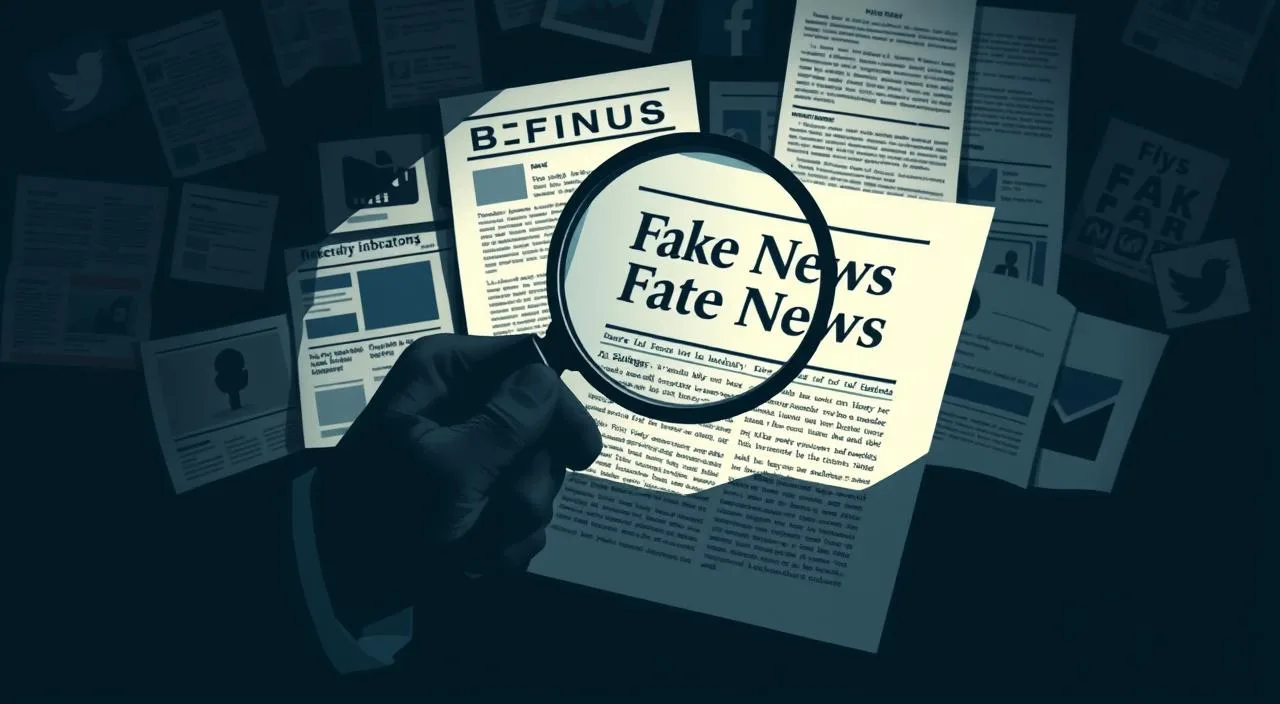
How to Identify Health Hoaxes Online?
In a saturated digital ecosystem, developing a critical mindset towards health announcements is essential. Here are some filters to apply systematically:
- Verify the source: Is it a recognized medical institution or an anonymous profile?
- Look for quantified data and peer-reviewed studies.
- Assess the emotions evoked by the content: If it shocks or promises too much, be wary.
- Cross-reference the information on at least three independent verification sites.
Concrete Verification Tools
Specialized fact-checking platforms and official medical databases allow you to quickly validate information. Learning to navigate these resources transforms passive scrolling into an active practice of digital health.
Social Networks and Health: Preserving Your Digital Space
Erosia is just a passing wave, but the need to clean up your information bubble remains constant. Protecting your mental well-being also involves controlling what you consume online. It is recommended to unsubscribe from accounts that prioritize sensationalism over substance and to follow certified professionals instead.
By adopting a curious but critical attitude, each user can contribute to cleaning up the digital ecosystem. The next time a medical term ignites social media, taking three seconds to ask the right question will do more for your health than any imaginary virus.
Never forget to play it safe!
Be Geek, Be Kinky!
You may also like
Disability and Sexuality: Breaking Down Taboos for Guaranteed Intimate Fulfillment
Summer infidelity: should you confess everything or protect your relationship by remaining silent?
Is my partner really my soulmate? What science reveals about relationship doubts.
Uniform Fetish: What Your Attraction to Firefighters or Police Officers Reveals About Your Intimate Life
Couple's vacations: when the quest for the perfect photo puts stress in the spotlight.