Disability and Sexuality: Breaking Down Taboos for Guaranteed Intimate Fulfillment

The right to privacy: an achievement still threatened by prejudices
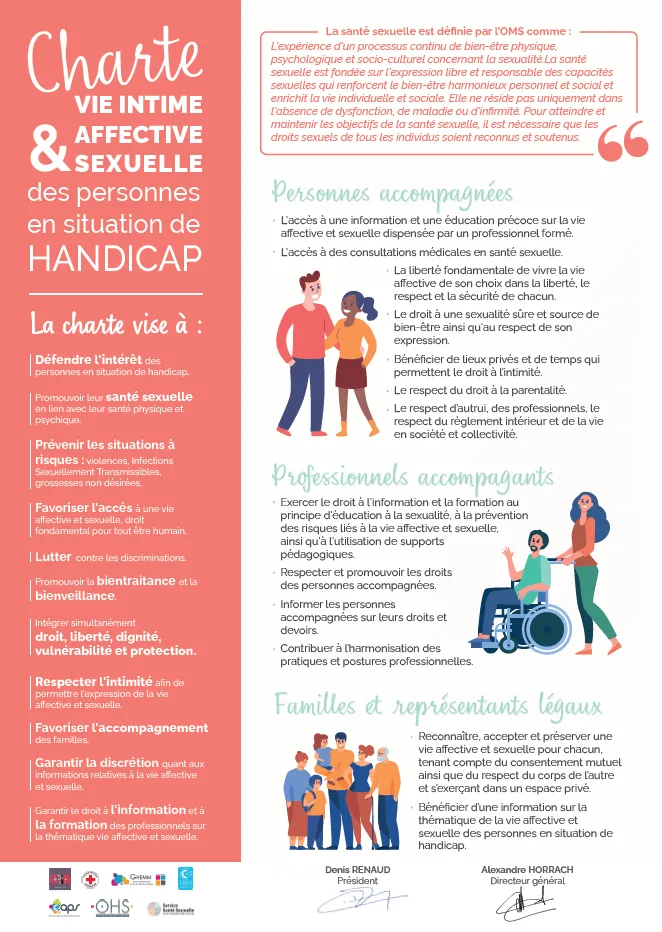
For decades, disability has been perceived through a strictly medical or educational lens, often erasing an essential dimension of human beings. Yet, as highlighted in several institutional reports and specialized associations, sexuality and emotional life are fully part of every person's identity. Systematic infantilization remains one of the main obstacles to recognizing this autonomy. Sociological and clinical studies remind us that physical or cognitive limitations do not negate desire, nor the need for emotional closeness.
The sexuality of a person with a disability is not a separate issue. It falls under the fundamental right to autonomy, respect for the body, and full citizenship.
Despite this obvious truth, denial persists in some medical-social institutions or within families. A lack of awareness of intimate needs sometimes leads to an unwanted lack of privacy, generating isolation and invisible psychological suffering. Shifting the paradigm begins by accepting that support for people with disabilities must include, without taboo, the emotional and sexual dimension.
Plan 2026-2027: what concrete measures for sexual autonomy?
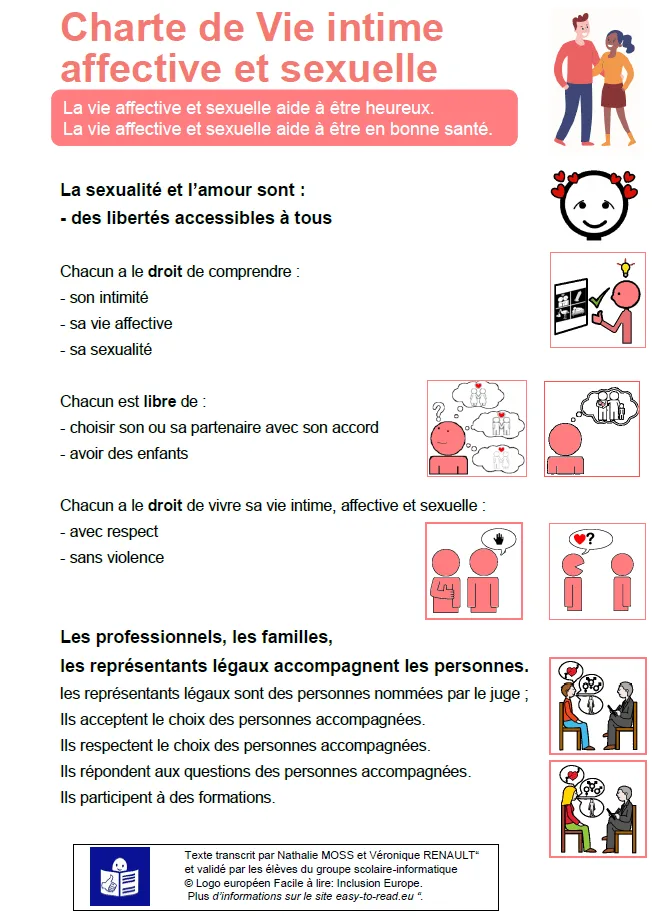
Recent developments mark a decisive turning point. The official launch of the 2026-2027 action plan for the intimate, emotional, and sexual life of people with disabilities positions this right at the heart of public priorities. This initiative explicitly aims to break down the structural barriers that hinder personal fulfillment.
- Reform institutional practices: Train care and educational staff to respect confidentiality and encourage relational autonomy.
- Develop access to sexual health services: Ensure appropriate care in medical centers and specialized associations.
- Raise public awareness: Integrate the diversity of intimate experiences into prevention and sexual education campaigns.
These strategic objectives, led by competent authorities, officially recognize that living one's emotional life in complete safety is a sign of human dignity. The concrete implementation of these measures will, however, depend on rigorous monitoring and a dedicated budget to prevent the text from remaining a dead letter.
Tools, assistive devices, and practical solutions for fulfillment
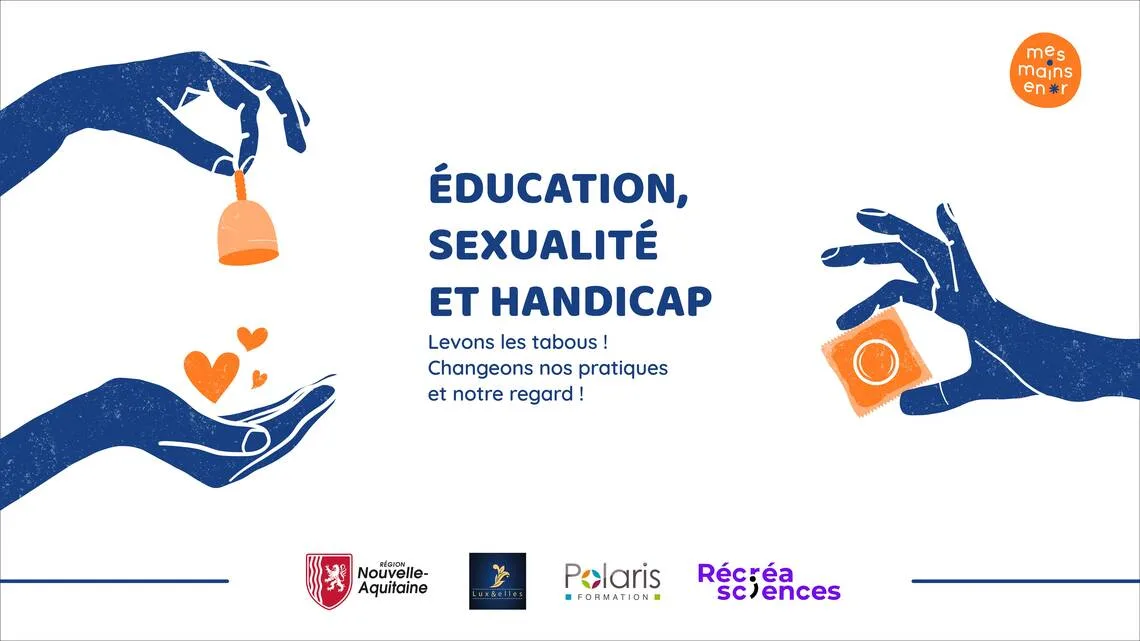
Intimate expression often requires physical or technical adjustments. Specialized documentation and resource centers highlight the importance of an adapted environment. The arrangement of living spaces, the choice of ergonomic bedding, and the use of specific assistive devices help to preserve privacy and security during relationships.
It is also crucial to address contraception and prevention. Medical devices exist in different forms to adapt to various motor skills. Access to information should be clear, visual, or simplified according to cognitive needs. Associations such as the Centre de Ressources Handicaps et Sexualités or CERHES offer practical guides and concrete workshops. Their approach proves that scientific popularization is a powerful lever against fear and misunderstanding.
The key role of support: emotional education and benevolent listening
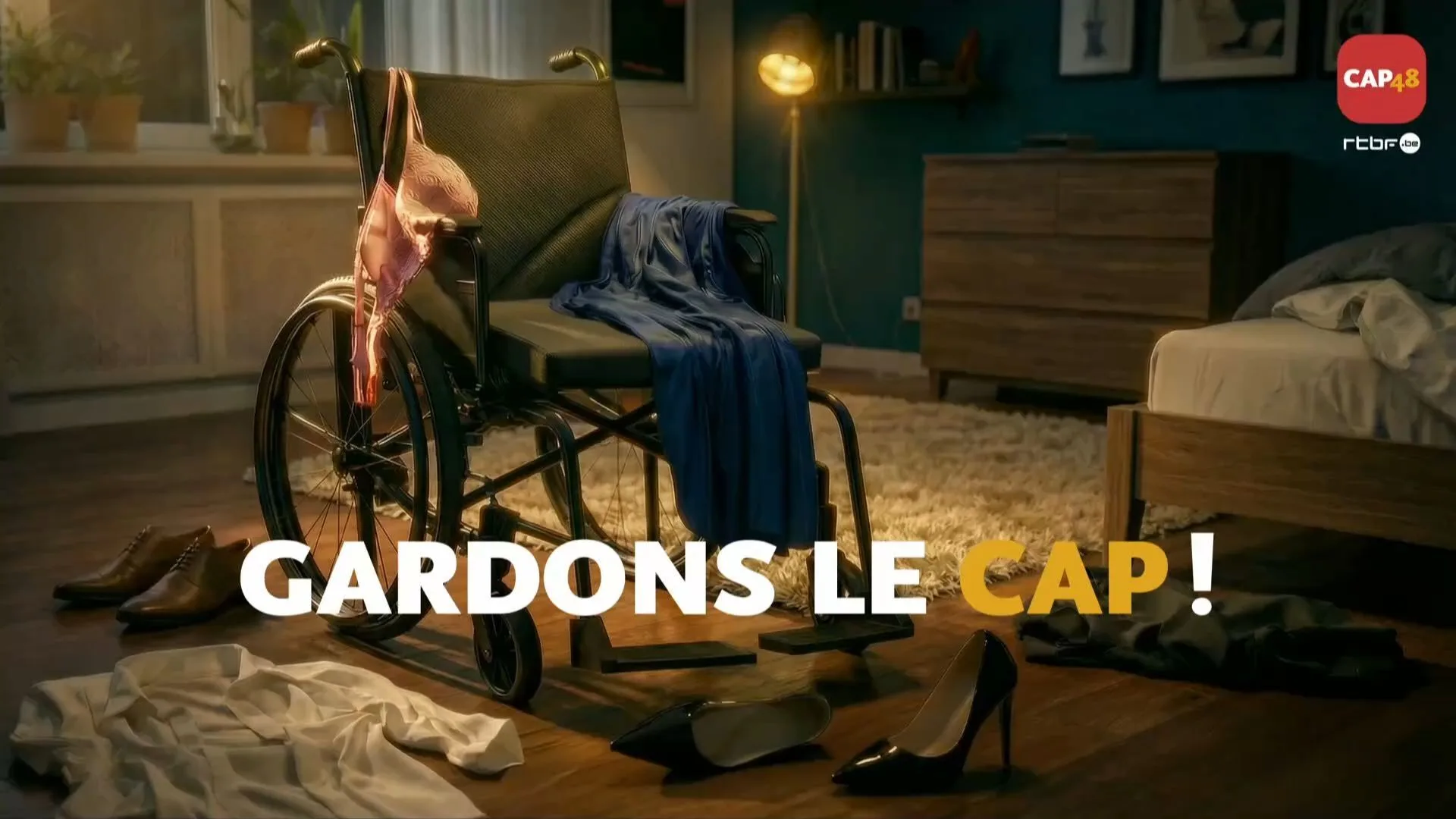
Sexuality cannot be improvised. For people with disabilities, structured support is often necessary to navigate consent, bodily limits, and the management of emotions. Professionals in emotional and sexual education play a pivotal role. Their mission is not to prescribe but to offer a secure environment where the person can explore their identity, ask questions, and express their desires without judgment.
This learning involves developing self-esteem, understanding how one's own body works, and mastering relational skills. Training programs dedicated to caregivers show that when the reference adult is well informed, they naturally foster an atmosphere of trust. The goal remains the same: to enable everyone to chart their own emotional path, whether active or not.
Towards a more inclusive society: breaking myths and acting collectively
Deconstructing the preconceived idea that "people with disabilities do not have sexuality" requires continuous amplification. The media, schools, and communities must integrate this reality into their daily discourse. Inclusion is not just about physical access to buildings; it includes the recognition of diverse intimate lives.
In conclusion, guaranteeing a fulfilling emotional life for people with disabilities is not a privilege granted, but a fundamental right to protect. The combination of the new action plan, the available technical resources, and benevolent human support provides a clear roadmap. Every member of society can contribute to shifting this issue from the shadows to an assumed, respectful, and liberating reality.
Never forget to play safely!
Be Geek, Be Kinky!
You may also like
Summer infidelity: should you confess everything or protect your relationship by remaining silent?
Is my partner really my soulmate? What science reveals about relationship doubts.
Uniform Fetish: What Your Attraction to Firefighters or Police Officers Reveals About Your Intimate Life
Couple's vacations: when the quest for the perfect photo puts stress in the spotlight.
Wearing a butt plug all day: more than just an accessory, it's a source of joy and confidence.