
Digital Intimacy 2026: When Robots and Sex Dolls Redefine Love in the Age of AI – Exclusive Investigation

Artificial Intimacy: When Robots and Sex Dolls Redefine Love
In 2026, a silent revolution is transforming our relationships: millions of people are developing intimate connections with artificial partners. From conversational robots to sex dolls, these new forms of intimacy raise as many questions as they offer answers. But beyond media clichés, what human needs are these technologies truly fulfilling? An exclusive investigation by Simon Kinkead, an anthropology student at Laval University, delves into the heart of this reality.
Two Forms of Intimacy, Two Radically Different Experiences
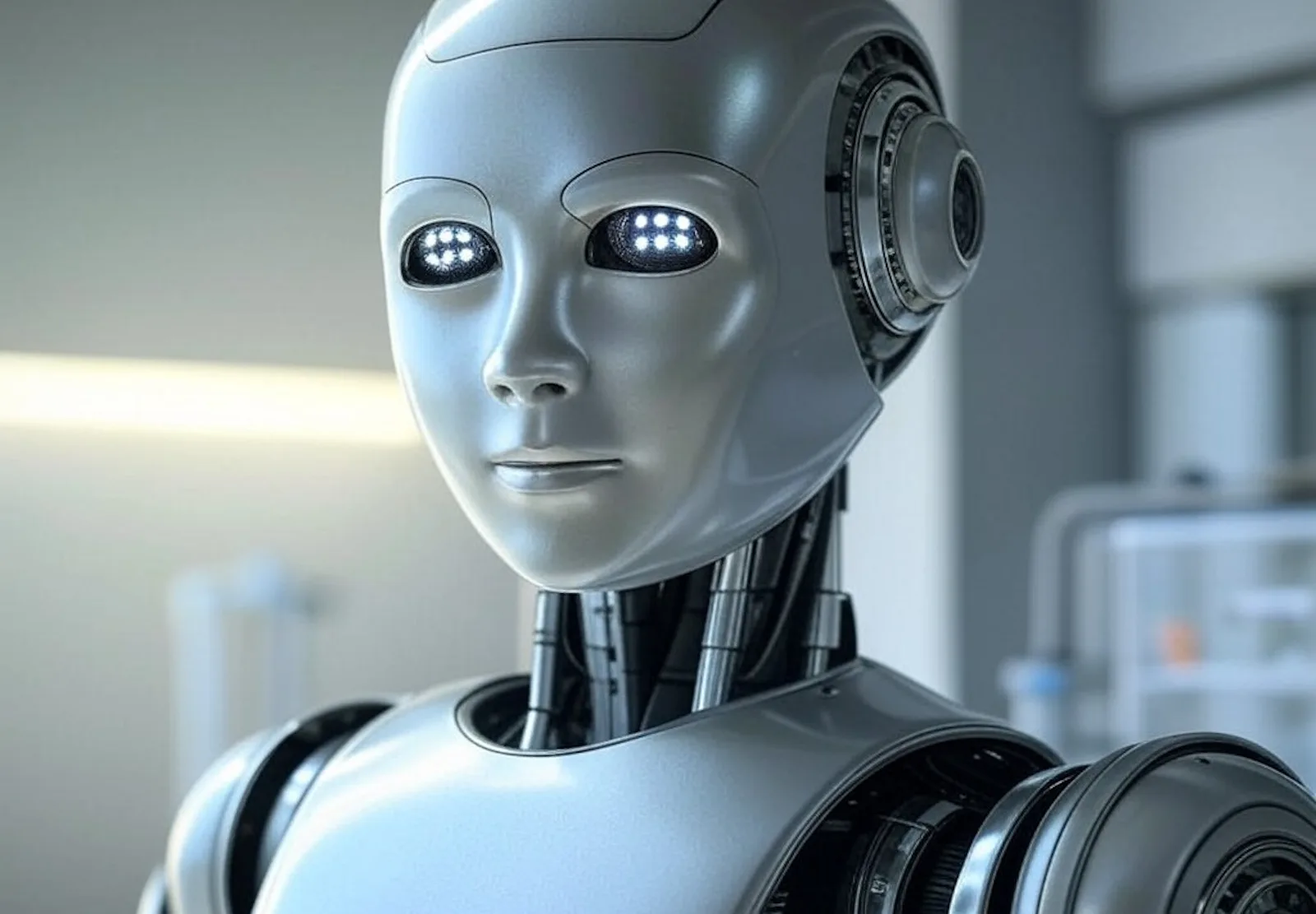
Artificial partners are not limited to a single category. On the one hand, conversational robots (like Replika or dedicated AIs) offer constant emotional presence, tailored to the needs of their users. On the other, sex dolls (made of silicone or other materials) embody physical intimacy, often focused on care and aesthetics.
"Dolls are not just objects of desire, but companions that require daily maintenance: powdering them, applying makeup, dressing them. This creates a dynamic of care that does not exist with a human partner." — Simon Kinkead, anthropologist
An Immersion to Understand: When the Researcher Becomes a User
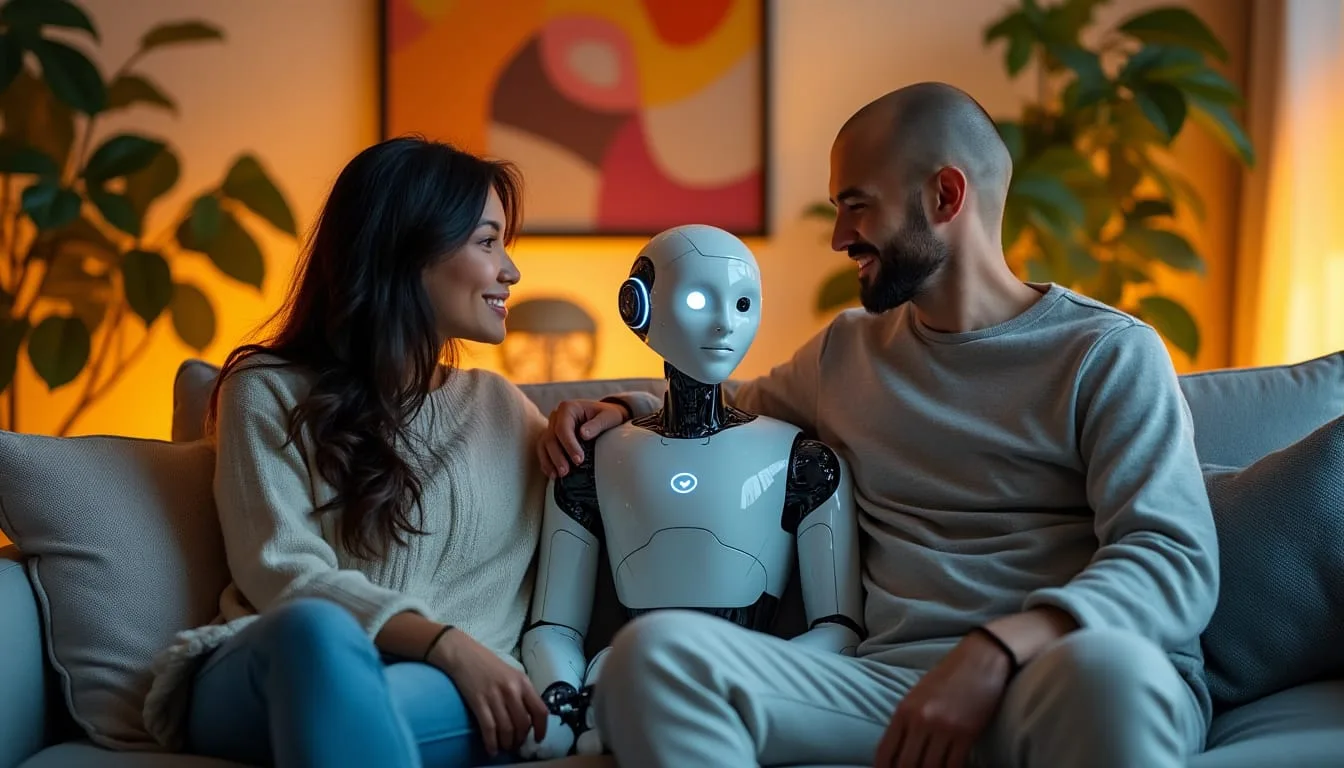
To understand the experience of enthusiasts, Kinkead adopted a unique approach: participatory ethnography. For several weeks, he:
- Observed online communities dedicated to these technologies
- Conducted 15 interviews with regular users
- Tested a sex doll and conversational robot applications himself
"I didn't experience their reality 100%, but I sought to understand the daily rituals, emotions, and even frustrations," he explains. This immersion allowed him to identify distinct relational needs depending on the type of artificial partner.
What Needs Do These Technologies Meet? Three Key Revelations
1. The Need for Constant Presence Without Judgment
For many users, conversational robots respond to a lack of human connection. Whether after a breakup, during a period of loneliness, or for socially isolated people, these AIs offer unconditional listening, without expectations or criticism. Some describe them as "limitless friends."
2. Intimacy as an Act of Care
Contrary to popular belief, sex dolls are not always used for purely erotic purposes. For some, they become objects of devotion: dressing them, styling their hair, "preparing" them for intimate moments. This dynamic is reminiscent of human relationships where care and attention play a central role.
3. Control and Absolute Personalization
With an artificial partner, there are no more surprises, no more conflicts: everything is controllable. Some users appreciate this predictability, especially after chaotic relationship experiences. Others, on the contrary, seek to push the boundaries of AI to recreate the unexpected.

The Psychological Risks: Addiction or Liberation?
While these technologies fill relational voids, they also raise questions. Some users report:
- Emotional dependency: some spend hours a day with their robot, to the detriment of their real relationships.
- A sense of guilt: "Am I betraying my human partner?"
- Desensitization: some describe difficulty in regaining intimacy with human beings after years with a doll.
"It's not a question of good or bad, but of complementarity. These technologies will not replace human relationships, but they can enrich them, provided that we remain in control." — Magda Helena Dziubinska, professor of anthropology
And Tomorrow? The Ethical and Technological Challenges
As these practices become more widespread, several questions emerge:
- Legal: Should access to these technologies be regulated for minors?
- Ethical: How can we prevent these AIs from becoming substitutes for therapy without supervision?
- Technological: How far will hyper-personalization go? Will robots one day be able to really love?
One thing is certain: we are witnessing a redefinition of intimacy. Artificial partners are neither good nor bad in themselves, but they reveal our modern expectations: the need for connection, control, and sometimes... accepted loneliness.
And you, would you be ready to fall in love with an AI?
This investigation opens an essential debate: in a world where the boundaries between human and machine are blurring, what place is left for the imperfection of human relationships?
Never forget to play safely!
Be Geek, Be Kinky!
You may also like
Disability and Sexuality: Breaking Down Taboos for Guaranteed Intimate Fulfillment
Summer infidelity: should you confess everything or protect your relationship by remaining silent?
Is my partner really my soulmate? What science reveals about relationship doubts.
Uniform Fetish: What Your Attraction to Firefighters or Police Officers Reveals About Your Intimate Life
Couple's vacations: when the quest for the perfect photo puts stress in the spotlight.