
Female orgasm and sexual health: why is emotion more important than anything else?

Introduction: Why This Study Is a Game Changer in Female Orgasm Research
Most studies on female orgasm focus on dysfunctions or sexual health problems. However, a recent Spanish study, published in Sexuality & Culture, proposes a radically different approach: it explores what works for women with good sexual health. The surprising result: emotion, more than physical sensations or even intimacy, appears to be the cornerstone of a fulfilling sexuality.
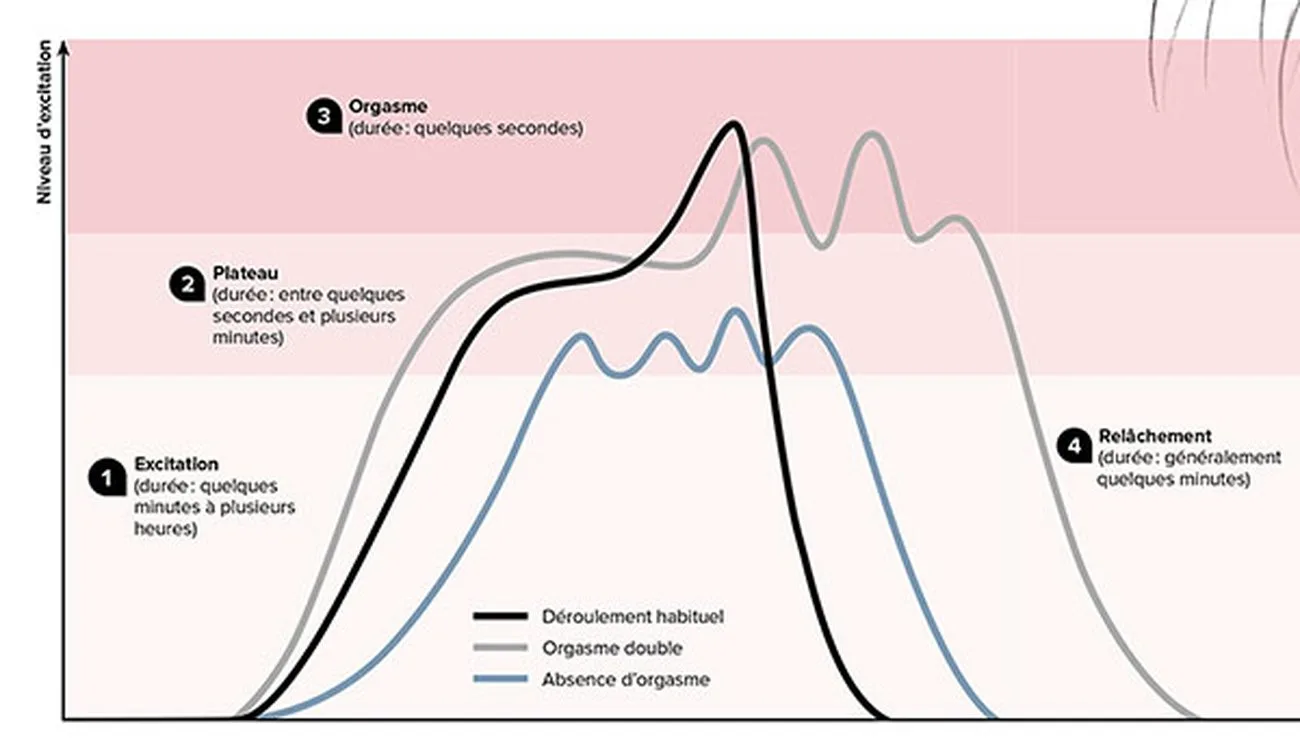
The Methodology: A Novel Approach Centered on Women with Good Sexual Health
Conducted on 518 Spanish women aged 18 to 62, this study used two key tools: the Female Sexual Function Inventory and the Orgasm Assessment Scale. These measure four essential dimensions:
- Affectivity: the emotional load associated with orgasm
- Physical sensations: the intensity of bodily pleasures
- Intimacy: the connection with the partner
- Reward: overall satisfaction after the act
Unlike classic research, this study does not start with a problem, but with a positive experience. A first in the field.

Affectivity, a Key Factor: When Emotion Outweighs Physical Sensations
The results are clear: affectivity is the only statistically significant factor for predicting overall satisfactory sexual function. In other words, what a woman feels emotionally during and after orgasm has more impact than the intensity of physical sensations alone.
"Orgasm is not just a matter of biology, but also of emotion. A woman who experiences her pleasure as a moment of deep connection or intense happiness will have a more fulfilling sexuality, regardless of her partner."
The Impact of Orgasm Dimensions on Overall Sexual Function
The study reveals interesting correlations between the dimensions of orgasm and different aspects of sexual health:
- Physical sensations and reward: associated with almost all areas (desire, excitement, satisfaction), except pain.
- Intimacy: linked to satisfaction and excitement, but not to sexual desire.
- Affectivity: the only factor independent of the relational context for positively influencing sexual function.
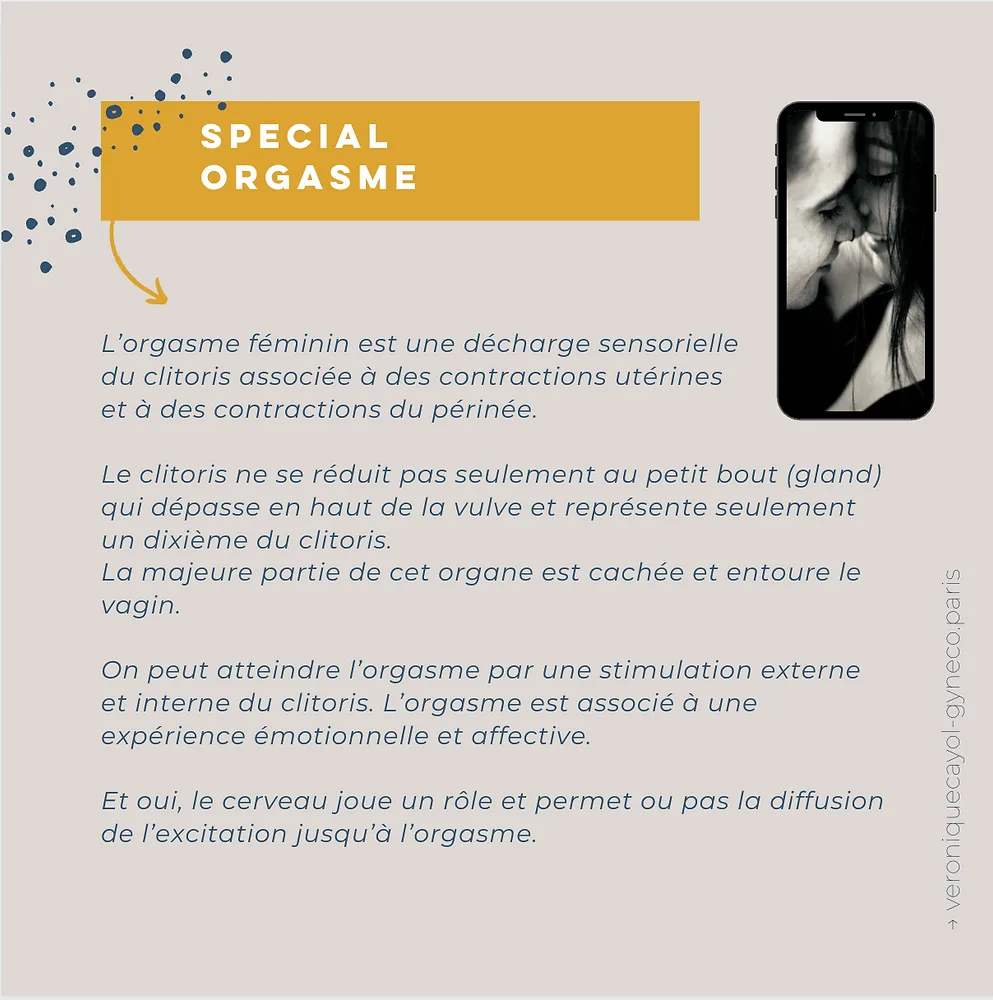
Stable Relationship or Not: What Really Matters for Female Pleasure
Women in stable relationships do indeed score higher on affectivity, intimacy, and reward. However, the effect of orgasm dimensions on sexual health does not depend on relational status. In other words:
- A single woman can experience an orgasm that is just as emotionally rich as a woman in a relationship.
- Conversely, a stable relationship does not automatically guarantee strong affectivity.
This discovery invites us to rethink the role of partners in female pleasure: emotion takes precedence over the stability of the relationship.
Implications for Therapy and Sex Education: Towards a More Holistic Approach
This study opens up concrete avenues for sexual health professionals:
- Emotion-focused therapies: Rather than focusing solely on physical techniques (such as masturbation or positions), therapists could integrate exercises to amplify the emotional load of pleasure (meditation, sensory journaling, etc.).
- Rethinking sex education: Programs could include modules on the importance of emotions in pleasure, especially for young women who often associate orgasm with physical performance.
- Moving beyond the myth of the "ideal partner": This research highlights that the relational context is not decisive for affectivity. A woman can experience intense orgasms alone, with a casual partner, or even in non-monogamous relationships.
The authors emphasize, however, that these findings should be nuanced: other factors (such as self-confidence or the absence of social pressure) also play a role.
Conclusion: What If Sexual Happiness Starts in the Heart?
This Spanish study challenges preconceived notions about female orgasm. It reminds us that pleasure is not just a matter of technique or partner, but also – and above all – of emotion. Whether you are in a relationship, single, or in an open relationship, the key to a fulfilling sexuality may well lie in your ability to experience orgasm as a moment of deep connection with yourself and your body.
And you, which dimension of orgasm do you think is most important? Share your experience in the comments!
Never forget to play safely!
Be Geek, Be Kinky!

You may also like
Disability and Sexuality: Breaking Down Taboos for Guaranteed Intimate Fulfillment
Summer infidelity: should you confess everything or protect your relationship by remaining silent?
Is my partner really my soulmate? What science reveals about relationship doubts.
Uniform Fetish: What Your Attraction to Firefighters or Police Officers Reveals About Your Intimate Life
Couple's vacations: when the quest for the perfect photo puts stress in the spotlight.